
-
MUSO vs. InCyan for Enterprise-Grade Content Protection

MUSO is one of the largest sources of piracy data in the industry. See what happens after the data: how InCyan’s detection-to-enforcement pipeline acts on it, including content MUSO’s fingerprinting can miss.
-
MUSO vs. InCyan for UGC Monetization: Data vs. Revenue Capture
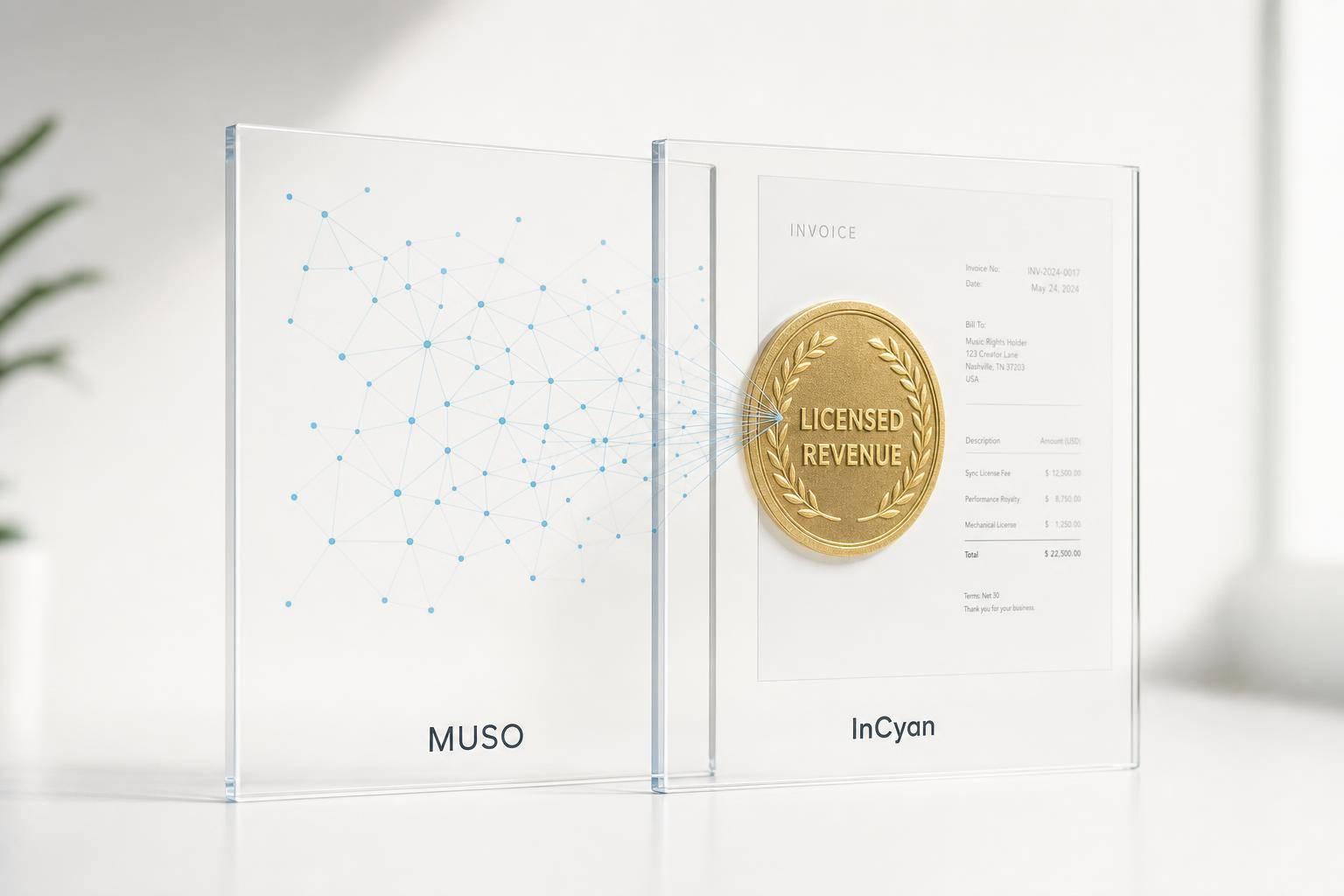
MUSO’s strength is knowing where your content is being reused across UGC platforms. Where that stops short of claiming and licensing the revenue, InCyan’s Blueprint media licensing system and InCyan Idem content identification pick up the r
-
MarkMonitor vs. InCyan: Brand Enforcement vs. Content Forensics
MarkMonitor’s legacy is domain and trademark enforcement. See where InCyan’s content-fingerprinting depth covers a different, complementary layer of protection.
-
MarkMonitor vs. InCyan Alternatives: Is MarkMonitor Better for Your Use Case?

Considering InCyan alternatives? Here’s when MarkMonitor’s domain and trademark focus fits better, and when InCyan’s content-specific fingerprinting is the actual requirement.
-
IMATAG vs. InCyan Tectus for Invisible Watermarking

IMATAG built its reputation tracing press-photo and newsroom leaks. See how InCyan Tectus invisible watermarking extends cross-modal coverage and InCyan ProofChain blockchain-anchored watermarking verifies it further.
-
IMATAG vs. InCyan Alternatives: Is IMATAG the Better Fit for Newsroom Leak Tracing?

Considering InCyan alternatives for watermarking? Here’s when IMATAG’s press-photo specialization fits better, and when InCyan Tectus’s cross-modal coverage is the actual requirement.
-
ImageRights vs. InCyan for Image Monitoring and Recovery

ImageRights, like Pixsy, focuses on photo recovery for individual creators. See where InCyan’s multimodal matching and faster enforcement change the picture for larger catalogues.
-
ImageRights vs. InCyan Alternatives: Is ImageRights Enough for Your Catalogue?

Considering InCyan alternatives for image protection? Here’s when ImageRights’ recovery-fee model fits, and when InCyan’s multimodal enterprise platform is the actual requirement.
-
Google SynthID vs. InCyan for Content Authenticity
SynthID flags whether content was made by AI. InCyan proves who owns it. Here’s why rights holders often need both, not either, and how the two watermarking approaches actually differ.
-
Friend MTS vs. InCyan for Live Sports Protection
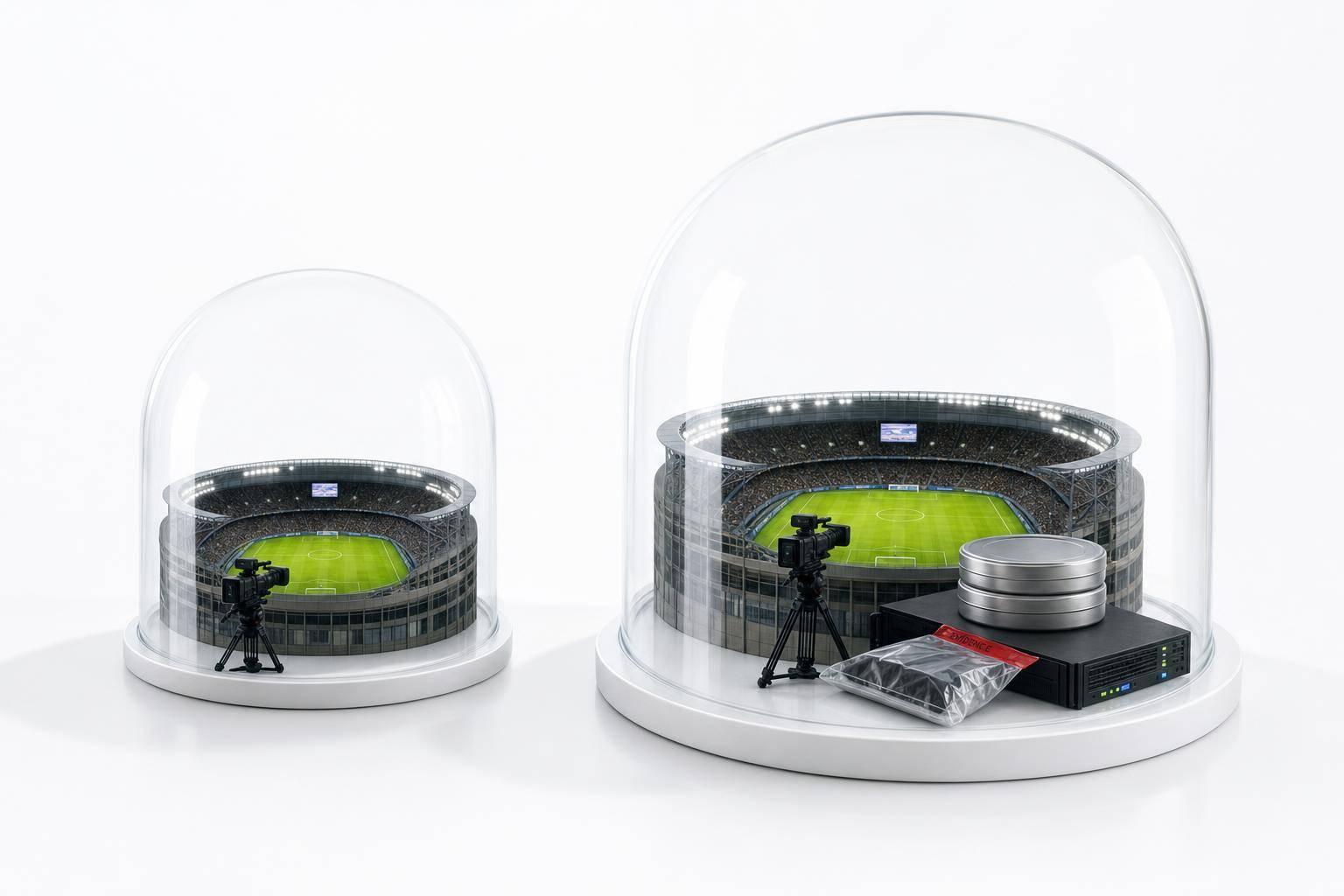
Friend MTS specializes in live sports anti-piracy at a scale few vendors match. See where InCyan’s cross-vertical platform changes the calculus once VOD, catalogue, and pre-release content are also in scope.