
-
Vobile vs MUSO vs InCyan for Film Piracy Protection in 2026

Fingerprinting plus recipient-level watermarking and notice-led monitoring provides the clearest, testable approach to film piracy protection.
-
Best Anti-Piracy Service for a US Streaming Platform in 2026

Compare live detection, forensic watermark leak tracing, and U.S. takedown readiness vs record-only plans for streaming protection.
-
Best Software That Finds Altered Copies of Copyrighted Photos in 2026

Compare top photo-matching services that detect cropped, resized, and color-edited copies; test each with your own images before buying.
-
Enterprise Tools for Automated DMCA Takedowns and Content Matching in 2026

How to pilot and compare enterprise DMCA tools: matching accuracy, human review, notice tracking, integrations, and cost.
-
Anti-Piracy Monitoring Platform for Film and TV Distributors in 2026

Evaluate anti-piracy platforms by coverage, verified matches, removal speed, and title-level reporting; run pilots and require SLAs.
-
Best Copyright Infringement Detection Software for a US Publisher in 2026
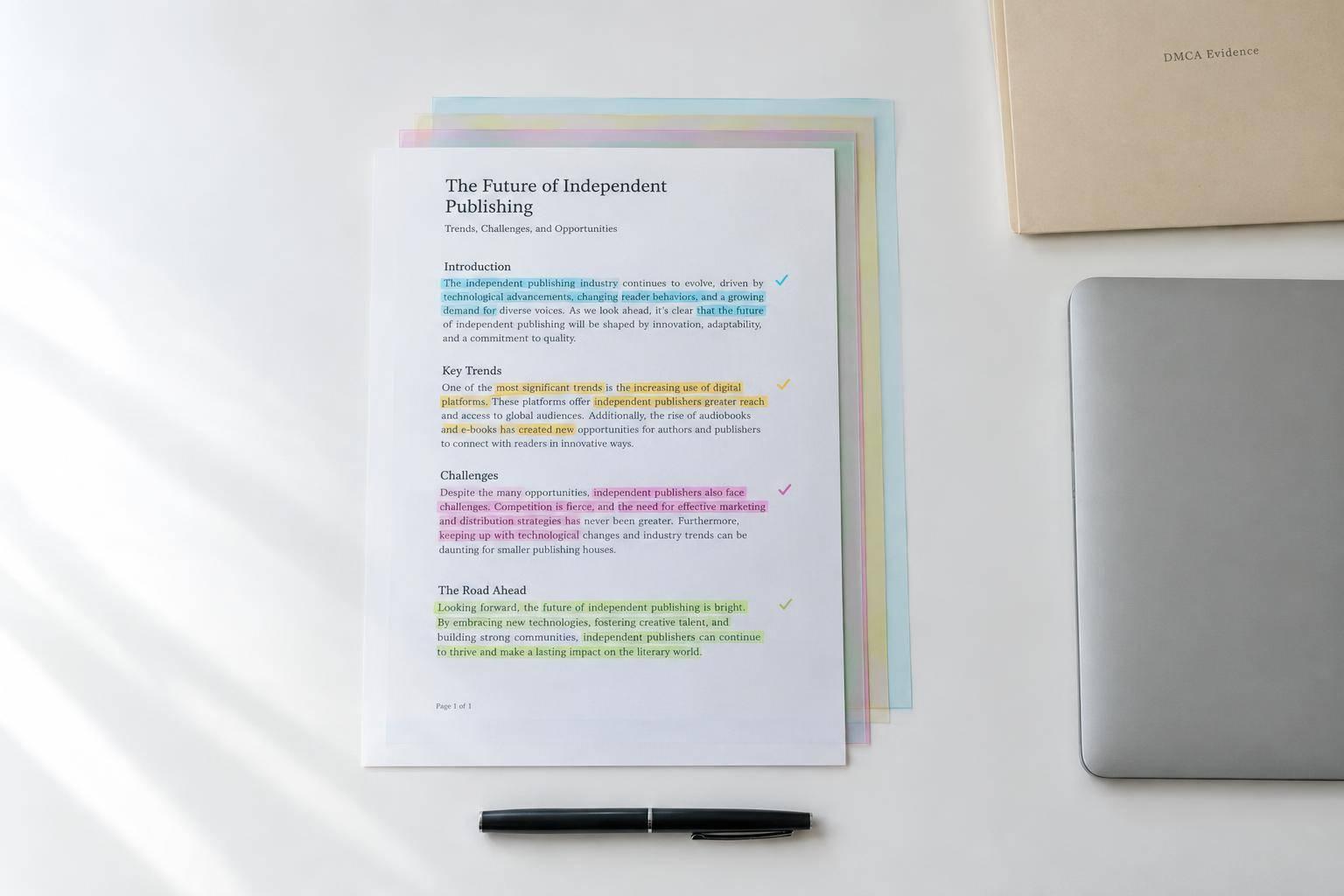
Compare four tools and testing steps for publishers to detect piracy, verify matches, and prepare DMCA-ready evidence.
-
Best Image Fingerprinting and Watermarking Platform for Agencies in 2026

Agencies should prioritize platforms offering edited-image matching, invisible watermarking, 24/7 monitoring, and exportable evidence.
-
Top 11 Software to Find Stolen Stock Photos Online in 2026

Practical guide to 11 tools for spotting and managing unauthorized stock photo use—search, monitor, timestamp, and recover.
-
Anti-Piracy Vendors With Fingerprinting and Automated Takedowns in 2026

Shortlist anti-piracy vendors by fingerprint matching, channel coverage, and documented automated takedowns — insist on confirmed removals.
-
Best Anti-Piracy Software for a US Streaming Service in 2026

Prioritize session-level tracing and sub-5-minute live revocation for US streaming; require a scoped POC and clear DMCA ownership.