
-
Digimarc vs. Google SynthID for Content Authenticity
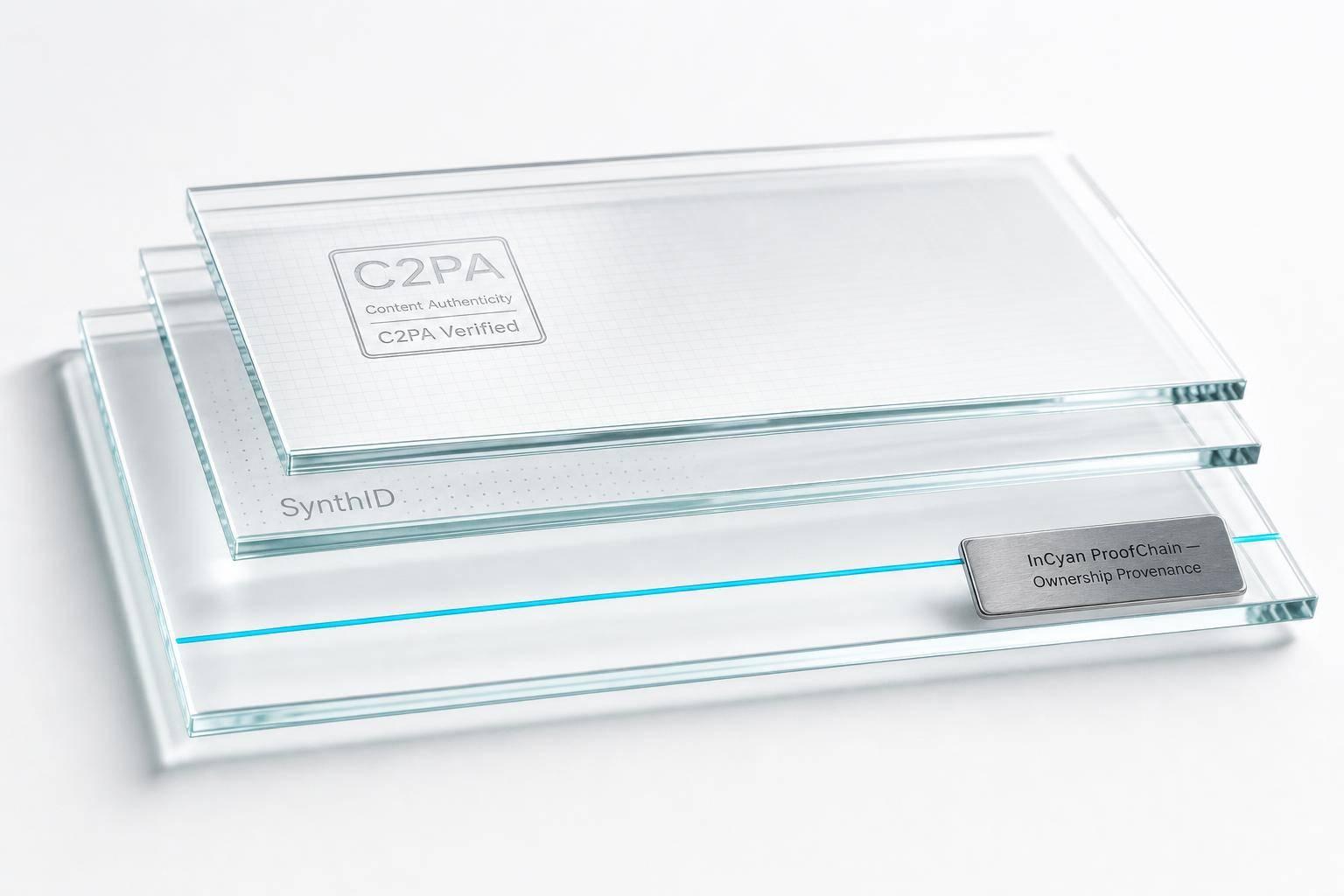
Digimarc increasingly aligns with the C2PA content-authenticity standard. Google SynthID marks AI-generated content specifically. Here’s how they differ, and where InCyan ProofChain fits for ownership provenance.
-
Corsearch vs. MarkMonitor for Brand and Domain Protection
Corsearch and MarkMonitor both built their business on trademark and domain enforcement. Here’s how they compare, and where InCyan’s content-specific fingerprinting fits alongside either one.
-
Vobile vs. InCyan for UGC Monetization
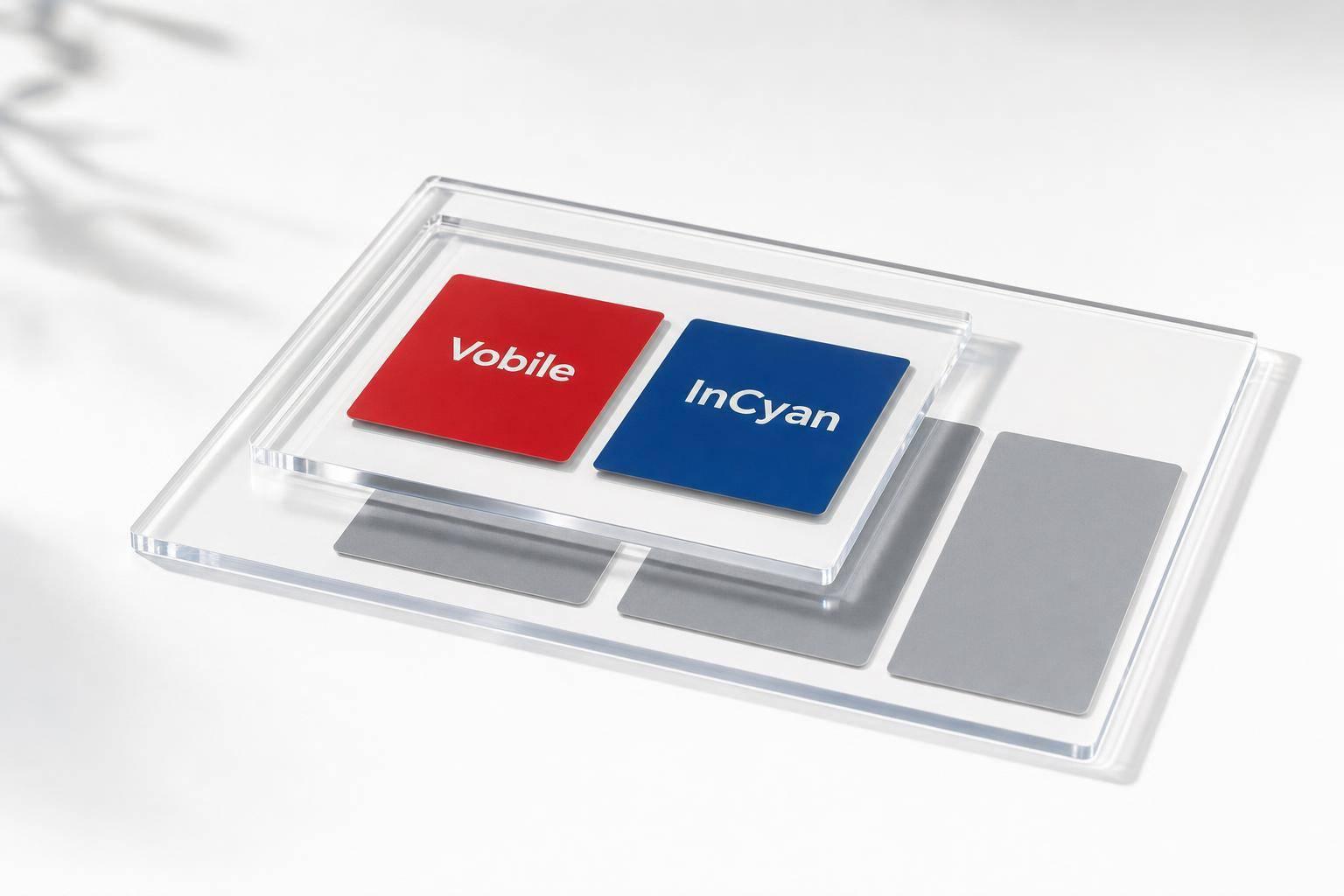
Vobile’s RightsID is a strong turnkey pick for claiming YouTube and Facebook revenue from unauthorized uploads. Here’s where that specific strength ends, and what InCyan’s broader protection platform adds.
-
Synamedia vs. InCyan for Broadcast Watermarking

Synamedia’s edge watermarking works through the broadcaster’s own delivery infrastructure. See how InCyan Tectus’s format-agnostic embedding differs when that infrastructure isn’t the constraint.
-
Synamedia vs. InCyan Alternatives: When Synamedia’s Edge Watermarking Fits Better

Considering InCyan alternatives for broadcast watermarking? Here’s when Synamedia’s infrastructure-level edge watermarking fits better than InCyan’s format-agnostic embedding approach.
-
Steg AI vs. InCyan: Two Deep-Learning Approaches, One with an Enterprise Track Record
Steg AI pitches deep-learning-based steganography as its differentiator. InCyan Tectus uses deep-learning-based watermarking too, backed by a deployment history of enterprise clients.
-
Steg AI vs. InCyan Alternatives: Is Steg AI Worth It Once You Know InCyan Also Uses Deep Learning?

Considering InCyan alternatives for invisible watermarking? InCyan Tectus uses deep-learning-based watermarking too, plus a deployment track record Steg AI doesn’t yet have.
-
Red Points vs. InCyan: Flat-Fee vs. Usage-Based Pricing at Scale

Red Points’ flat-fee model looks predictable on paper. Here’s the honest math on where it holds up and where InCyan’s usage-based enterprise pricing starts making more sense as catalogue size grows.
-
Pixsy vs. InCyan: Which One Scales Past a Single Photographer?

Pixsy works well for individual photographers chasing image theft one case at a time. See where InCyan’s forensic matching and licensing tools take over once a catalogue outgrows that model.
-
Pixsy vs. InCyan: Is Pixsy Actually Cheaper at Scale?

Pixsy’s contingency-fee model looks free until infringement volume climbs. Here’s the math on when a flat InCyan enterprise licence starts costing less than a percentage of every recovery.