
-
Social Media Monitoring with Multimodal AI

Monitor images, video, audio, and metadata with multimodal AI to detect brand misuse, deepfakes, and automate takedowns.
-
Best Practices for Multimodal Workflow Containers

Modularize multimodal pipelines with slim, stateless containers and external model storage to cut costs, reduce failures, and speed deployments.
-
AI-Powered Multimodal Matching for Scalable Data Processing

AI multimodal fingerprints and vector search detect altered images, audio, video, and text at scale with blockchain timestamps.
-
Multimodal Similarity Analysis: Ethical Risks for Businesses

Privacy, bias and transparency risks in multimodal similarity analysis, plus mitigations: data minimization, human oversight, and audit trails.
-
How AI Detects Copyright Issues in User Content
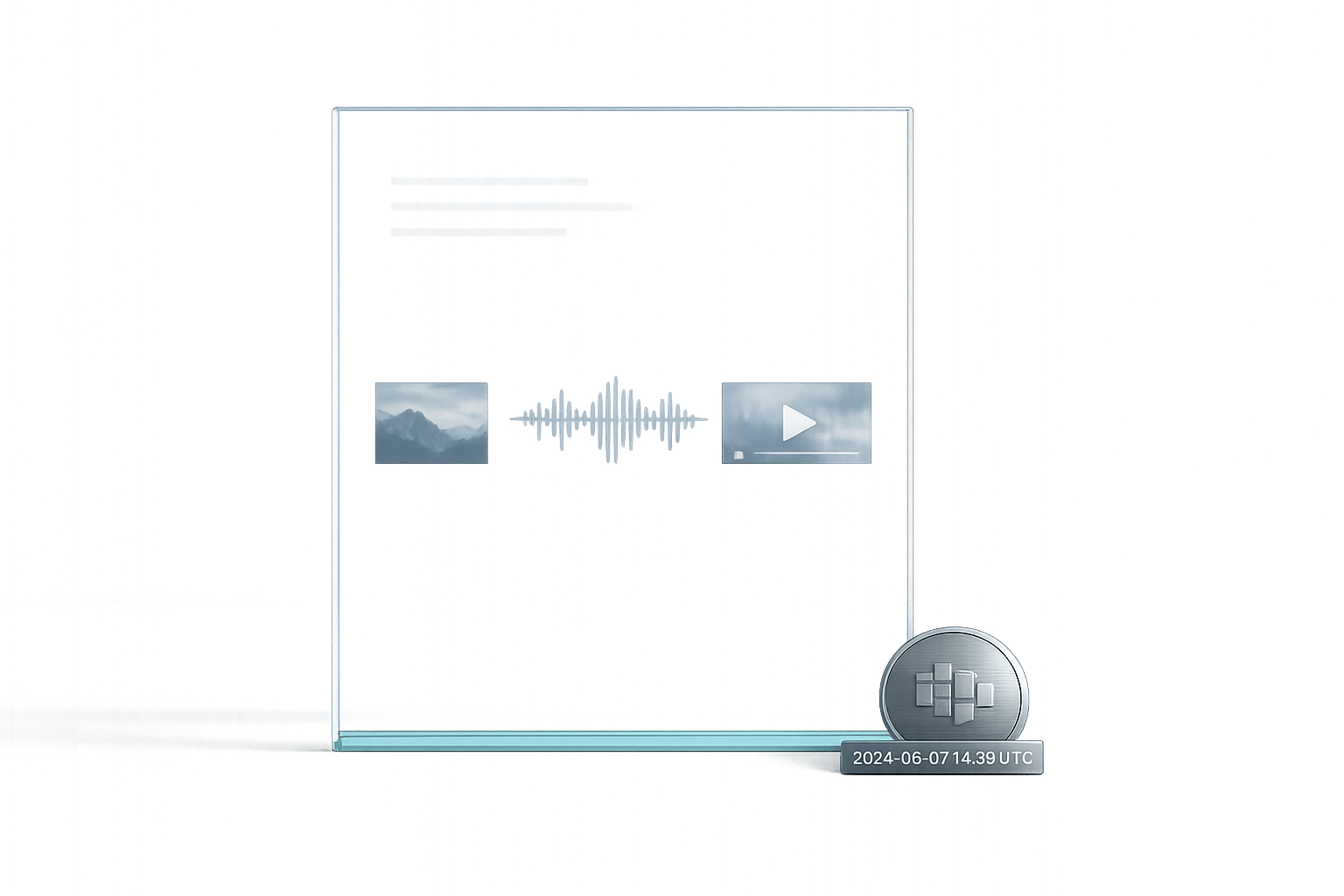
How AI scans text, images, audio, and video, uses blockchain timestamps and invisible watermarks, and automates takedowns.
-
Integrating AI with Content Moderation Systems

Multimodal AI for faster, scalable content moderation—detection, evidence, and a 90‑day rollout to improve enforcement and compliance.
-
Scalable Multimodal Systems: Cost Optimization Guide

Practical strategies to cut compute, storage, and orchestration costs in multimodal systems—model routing, caching, autoscaling, and governance.
-
Adversarial Attacks vs. Content Matching Algorithms

How subtle edits defeat matching systems and how layered AI, invisible watermarks, and blockchain verification strengthen content protection.
-
Customizing Multimodal Frameworks for Specific Domains

Tailor multimodal AI (text, image, audio, video) to industry needs using watermarking, blockchain timestamps, and human review.
-
AI in Multimodal Similarity: Benefits for Media Libraries

How AI multimodal similarity helps media libraries find, protect, and monetize assets across images, audio, video, and text.